
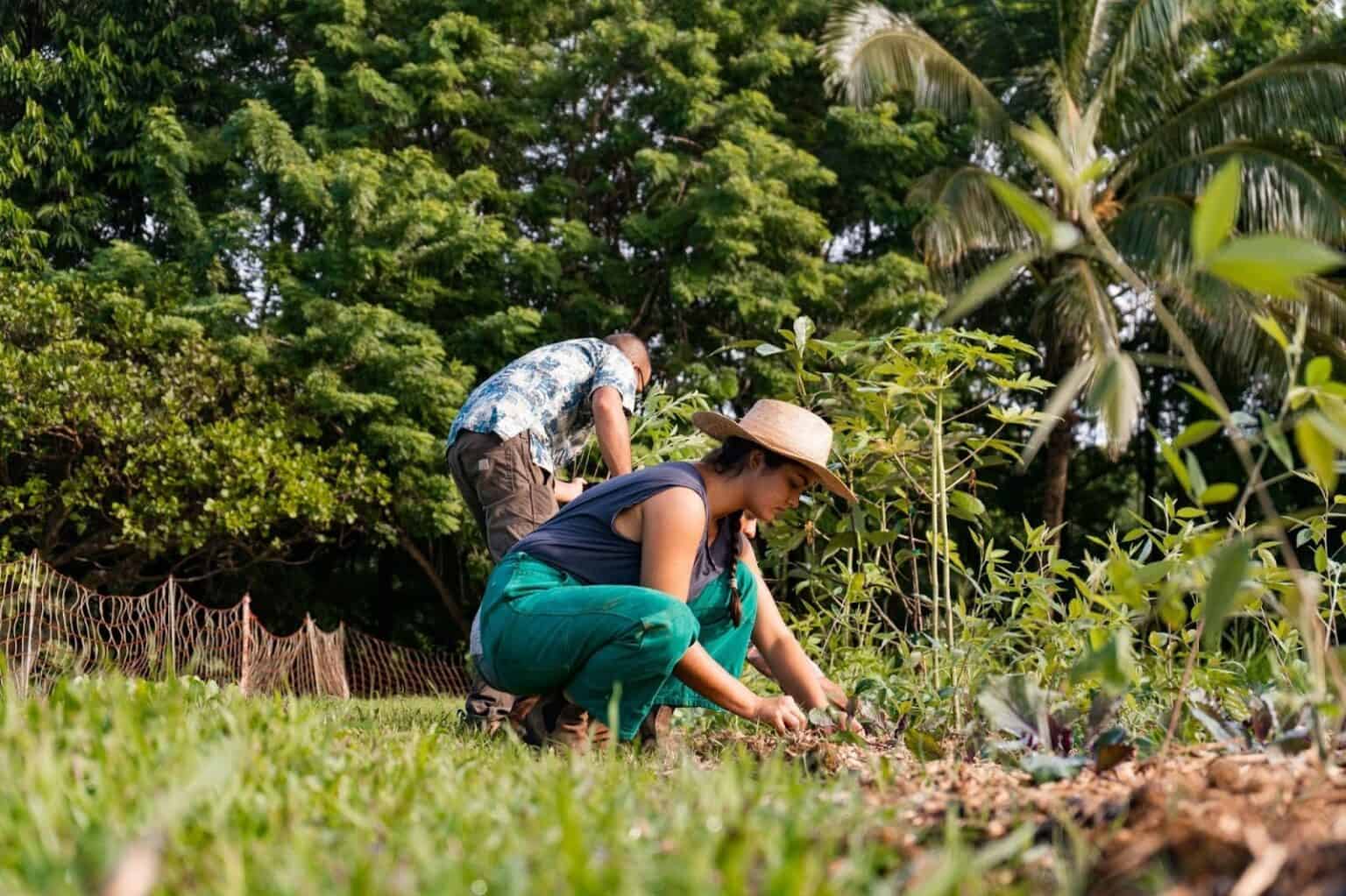
Kauai, known as Hawaiʻi’s “Garden Isle,” is famous for its lush forests, fertile soils, and strong sense of community. Yet, despite this natural abundance, the state imports about 90% of its food, a system that depends heavily on imported fertilizers and global supply chains. This creates vulnerabilities for local communities and puts stress on delicate island ecosystems.
Regenerative agriculture offers a path forward, restoring balance to the environment while creating opportunities for visitors and families to connect with Hawaii in meaningful ways.
What Is Regenerative Agriculture?
Regenerative agriculture is more than farming; it’s a mission to heal the land. Unlike conventional systems that rely on pesticides and degrade the soil, regenerative practices work with nature to build long-term resilience.
Key techniques include:
- Cover cropping to protect the soil and nurture beneficial plants.
- Rotational grazing that keeps grasslands healthy while giving animals space.
- Agroforestry, which integrates trees, crops, and shrubs into a regenerative food forest that mimics natural ecosystems.
- Composting to recycle organic matter back into the ground instead of relying on imported fertilizers.
- Water conservation methods like rainwater harvesting and drip irrigation.
This holistic process ensures that agriculture not only sustains people but also restores the environment.
The Common Ground Experience: From Farm Tour to Farm-to-Table Meal
At Common Ground Kauai, the experience goes far beyond sightseeing. It’s a journey into a regenerative food forest, an exploration of Hawaiian food traditions, and a shared meal that celebrates the island’s abundance. Designed for visitors, families, and curious learners, this immersive tour connects culture, cuisine, and sustainability in a truly memorable way.
Exploring a Regenerative Food Forest
Led by our farm educators, the tour begins with a guided walk through a thriving agroforest where plants, trees, and shrubs grow in layered harmony. Guests can expect:
- A stroll through tropical landscapes filled with bananas, papayas, kava, and canoe crops like ʻulu (breadfruit), ʻuala (sweet potato), and kalo (taro).
- Insights into Hawaiʻi’s food system challenges and why reducing reliance on imported fertilizers and pesticides is essential for the island’s future.
- Hands-on learning moments that break down how regenerative agriculture rebuilds soil, restores ecosystems, and strengthens community food resilience.
- Family-friendly interactions, storytelling, and time for kids to explore and ask questions.
This part of the experience is both fun and deeply educational; a chance to understand not just how food is grown, but how land and culture are cared for on Kauai.
Farm-to-Table Dining: Tasting the Difference
After exploring the landscape, the journey transitions from field to plate. Every meal at Common Ground highlights seasonal ingredients grown on-site or sourced directly from neighboring farmers.
Expect dishes crafted from canoe crops and seasonal produce: roasted breadfruit, honey-glazed squash, tropical herb salads, fresh greens, and locally raised proteins. Fresh fruits from the farm round out the menu, offering flavors unique to this part of the island.
This is food with intention: meals that nourish the body, honor Hawaiian agriculture, and support a regenerative future for Kauai.
The Future of Sustainable Farming in Hawaii
The next generation is central to this vision. Educational programs encourage children and youth to see farming as a viable career path. Across the islands, small farms are proving that crops like cacao, coffee, moringa, and mangosteen can thrive sustainably.
This shift is reshaping the tourism industry as well. More travelers now seek tours that align with environmental values, preferring to plan trips that support local communities and reduce environmental impacts. Regenerative agriculture offers a way to merge eco-tourism with authentic cultural engagement.
How to Experience Regenerative Agriculture in Kauai
Environmental Protection and Climate Resilience
On islands with limited land and sensitive ecosystems, regenerative farming protects what makes Kauai so unique. By rebuilding organic matter in the soil, farms naturally store more carbon, reduce erosion, and increase water retention—all critical for long-term climate resilience. Agroforestry and diverse plantings also restore habitat for birds, pollinators, and native species, strengthening the island’s ecological balance.
Key environmental benefits include:
- Healthier soils that capture and store carbon
- Reduced runoff and improved watershed health
- Greater biodiversity and pollinator support
Cultural Preservation Through Mālama ʻĀina
Regenerative agriculture reflects centuries-old Hawaiian wisdom. Practices such as crop diversity, natural soil building, and water stewardship echo the traditions of kūpuna who cultivated abundance without exhausting the land. By returning to these principles today, farmers help protect cultural identity while teaching new generations the value of caring for the ʻāina.
This approach turns farms into living cultural classrooms, where visitors and locals alike can reconnect with the stories, foods, and values that shaped Hawaiʻi.
Economic Resilience and Local Food Security
Hawaiʻi’s reliance on imported food makes the state extremely vulnerable to supply chain disruptions. Regenerative agriculture strengthens food security by producing more food locally, and doing so in a way that reduces reliance on imported fertilizers or chemicals.
This creates long-term economic benefits, such as:
- More opportunities for small farmers and food producers
- Increased demand for local goods at markets, restaurants, and tours
- A community-based food economy less dependent on global shipping
A Scalable Model for Island Sustainability
Kauai’s success with regenerative systems is already inspiring attention far beyond Hawaiʻi. Because the island faces many of the same challenges as other coastal and island regions, limited land, fragile ecosystems, and high import dependence, it offers a real-world example of what sustainable, community-rooted farming can achieve.
As visitors experience these systems firsthand through tours and farm-to-table meals, they help support a model of sustainability that can be replicated across the Pacific and beyond.
Planting Seeds for the Future
Regenerative agriculture Kauai is not just about farming; it’s about shaping the future of communities, food, and the environment. When visitors join tours, share dinner with loved ones, or explore Kauai’s regenerative farms, they are part of a process that restores balance to both people and place.
Your trip to Kauai can be more than a vacation; it can be a note in the ongoing story of resilience, a way to honor the past while building a sustainable future.
Come and experience regenerative agriculture today at Common Ground Kauai!